The Versatility of Cupping
The essential mechanism of cupping is best described as “vacuum applied to the skin surface for a therapeutic effect”. In this short piece, I aim to present its versatility by first looking at its long cross-cultural history, and then to its compatibility with other modalities, based on the fact that it can be practised either as a stand-alone treatment or applied in combination with other therapies. It is a benevolent, non-invasive treatment, and by its very nature of drawing outwards it brings about the immediate advantage of alleviating the effects of injury and pain -which can be caused by a range of factors, including trauma and stress related problems that produce tightness and contracture. Cupping at a basic physiological level promotes a local increase in blood supply to the tissues, and reverses and neutralises the inward nature of contracture,i n doing so relieving stasis and discomfort.
The Three Phases of Cupping’s History
Vacuum applied to the skin surface for a therapeutic effect has been a primary response to discomfort since early humankind first sucked at stings and injury to withdraw intrusions and relieve pain. This ability to respond probably appeared during a certain stage of proto-humanoid development. A basic example of what now could be counted as an instinctive response is when we suck at a sore finger after it has been jammed. Homohabilisin Tanzania around 2 million years ago probably had cause to do just this while building the world’s first construction –a windbreak made by piling stones on top of each other.
Phase One of cupping's mammoth therapeutic career began within humankind’s first complex medical tradition, known as supernaturalistic curing. In this paradigm, the mysteries of illness, suffering and unexplainable death are attributed to malevolent otherworldly influences, such as spirits, ghosts, disgruntled ancestors, or alternatively by the infliction of an extraordinary power such as the evil eye. It is the shaman, the person endowed with the power and special skills required to mediate between these forces who is entrusted to carry out treatment and bring about a cure. Besides ceremonies of conciliation, the most important physical intervention performed upon the patient is sucking at the skin surface to withdraw whatever harmful intrusion has made its way inside the body or soul. Mircea Eliade(1989: 256), a professor of the history of religion and renowned scholar of shamanism describes suction as “a classic method of cure”.
I have called the traditional/naturalistic era of cupping Phase Two. The first historical evidence of cupping performed by using medical technology comes from Greece during the late 6th to early 5th century BC. Shortly afterwards cupping was championed by Hippocrates and his followers, who began a new way of viewing the cause of illness by linking pain and suffering to natural causes in much the same way that we do today. Cupping thereby successfully made a paradigm jump, and vacuum was recommended to draw out pathogenic influences and harmonize imbalances, somewhat akin to some of its traditional applications in Chinese and Islamic medicine and Ayurveda. The Greeks used cups made of bronze and their shape was almost the same as the Chinese glass cups we are familiar with today. Indeed the Greeks intentionally made their cups with a lip, a neck and belly (all body metaphors) in the manner that the mouth is formed to draw air into the body. Try sucking air in with your mouth wide open compared to rounding the lips as if drawing through a large straw. During this era, known as the beginning of the Western medical tradition, cupping was so well regarded that the cupping vessel became the symbol of the medical profession in the same way that the stethoscope identifies the modern biomedical doctor. Numerous coins were minted as well with depictions of cups on one side and Asklepios, the God of Medicine, on the other.
Phase Three belongs to what I coined as “Modern Cupping Therapy” by virtue of new recently designed non-flame cups facilitating a new set of treatment applications that are based on and best described by modern anatomical perspectives. For example, small facial cups can be applied to clear sinus congestion, ease temporomandibular pain, clear skin conditions including rosacea, and ease headache as well as benefit the complexion. However the most striking has been the application of new flexible silicone cups to maneuver easily and have an undeniable mending effect on discordant fascia, a tissue that up until recently was never considered worth investigating, let alone becoming a treatment focus.
Cupping’s Versatility as a Complement to Other Therapies
Having established cupping’s versatility as a cross-cultural practice spanning thousands of years, the second point I would emphasize is cupping’s versatility as a complement to other therapies. In many respects I should like to talk briefly about this based on conversations with past students of mine. Acupuncturists of course have a strong link with cupping because it is a recognised component of traditional medical practice. One interesting practice where the two go hand in hand and bring about an exponential gain is when a cup is placed over an acupuncture needle. The needle draws and regulates the qi while the cup removes blockages by withdrawing pathogenic factors such as wind or coldness. Massage therapists can get great benefits from practising cupping. Not only does it produce better treatment effects in some instances, but it also allows the therapist to rest the hands. Sliding cups after a base of oil has been smeared on the body surface also allows the massage therapist to perform facial release and supports the reknitting of errant fascia, which is so critical in massage therapy nowadays. Chiropractors, osteopaths and physical therapists (physiotherapists in Australia) have also reported that cupping has been a boon for them in practice. One of the gains for them has been how efficiently cupping can release the soft tissue before performing a manipulation. The list of possibilities and advantages for all kinds of therapists is long and extensive.
I hope that this brief summary will encourage more practitioners to seek out training and become proficient in this deep and significant therapy.
Related to This Article
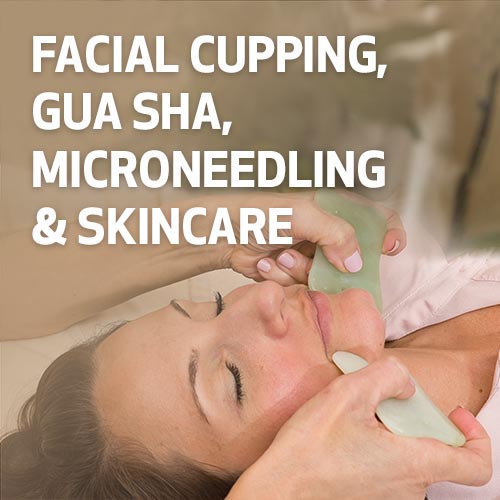
Facial Cupping, Gua Sha, Microneedling & Skincare
Taught by Michelle Gellis AP MAc DiplAc Instructor, MD University of Integrative Health. Specifically designed for acupuncturists, covers Facial Cupping, Facial Gua Sha, Skin Care & Microneedle Skills for cosmetic as well as neuromuscular conditions.
More InfoAbout the Author
Michelle Gellis
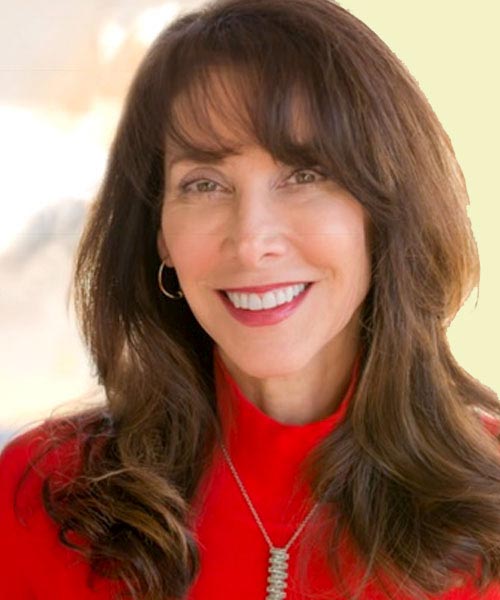
Michelle Gellis is a Licensed and Board Certified Acupuncture Physician. She has been a Faculty Member and Clinic Supervisor at the Maryland University of Integrative Health since 2004. Ms Gellis holds the distinction of being one of the very few acupuncturists in the US certified to teach Facial Acupuncture certification classes on an international level to other acupuncturists.
Other Courses By This Teacher
Overview
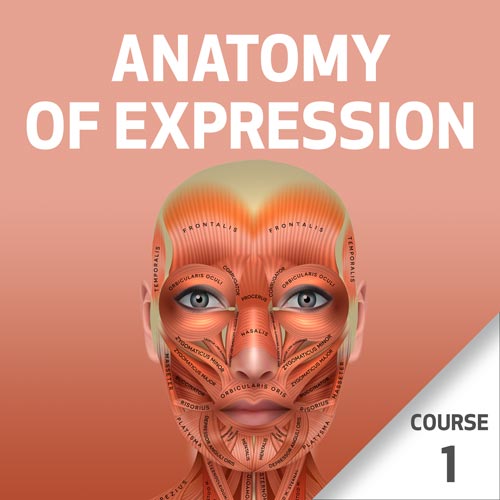
Delve into the world of our emotions, expressions, and how they manifest on a body/mind/spirit level to shape the landscape of our face. We will look at the relationship between our facial expressions and the relationship to the Zang/Fu. treatment modalities will be taught.
This webinar includes 3.25 hours of instruction that will cover:
(1) Facial anatomy
(2) Muscles involved in facial expression
(3) The connection between our emotions, expression/repression and health
(4) Treatment
Learning Objectives
- Learn the internal/ external manifestations of emotions
- Learn which points can be used to treat the muscles
- Learn facial muscular anatomy
Your Teacher
Michelle Gellis
Michelle Gellis is a Licensed and Board Certified Acupuncture Physician. She has been a Faculty Member and Clinic Supervisor at the Maryland University of Integrative Health since 2004. Ms Gellis holds the distinction of being one of the very few acupuncturists in the US certified to teach Facial Acupuncture certification classes on an international level to other acupuncturists.
Categories
Tags
Overview
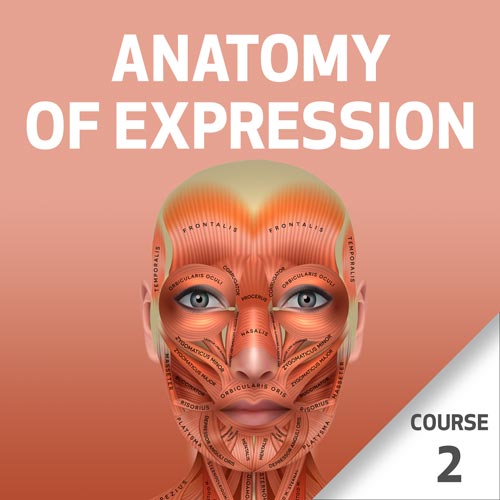
This webinar is part two of a 2-part class which ties in the anatomy of the face and the connections between the emotions, facial expressions and the channels. It covers the spirit of the points from a five element perspective and why clearing energetic blocks is important to treatments. This class will provide a deeper understanding of the connection between the facial expressions and the health of our body. Chinese face reading is taught by Dr. Cameron Bishop. The knowledge gained will enhance the students ability to design effective treatments.
Learning Objectives
- Learn treatment protocols.
- Learn an overview of chinese face reading.
- Recognize and learn protocols to treat energetic blocks.
- Learn spirit of the points on the face.
Your Teachers
Michelle Gellis
Michelle Gellis is a Licensed and Board Certified Acupuncture Physician. She has been a Faculty Member and Clinic Supervisor at the Maryland University of Integrative Health since 2004. Ms Gellis holds the distinction of being one of the very few acupuncturists in the US certified to teach Facial Acupuncture certification classes on an international level to other acupuncturists.
Cameron Bishop
Dr Cameron Bishop lived, worked and studied in Japan for four years. He has been practicing over 30 years in South Florida. His teaching philosophy is simple: provide clear, practical tools that practitioners can begin using in the clinic the very next day.
Category
Tags
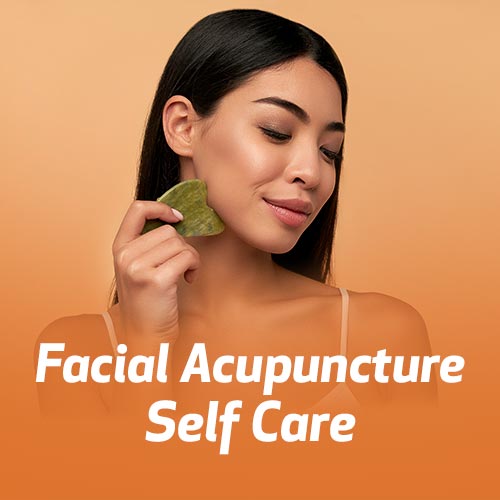
Facial Acupuncture Self Care
Self-care Facial Acupuncture, Cupping, Gua Sha & microneedling for acupuncturists
with Michelle Gellis
See In StoreOverview
This course provides an in-depth tutorial on facial acupuncture, facial cupping, facial Gua Sha and micro needling that acupuncturists can implement in their own self-care. Diagnosis, contraindications, and protocols are the main focus of the class with additional skincare and lifestyle tips. Michelle Gellis, Acupuncture physician utilizes her 20 years of clinical and personal experience to guide the practitioner through treatment planning, execution and aftercare.
Learning Objectives
- Understand protocols for facial cupping self-care
- Understand protocols for facial gua sha self-care
- Understand protocols for facial acupuncture self-care
- Understand protocols for microneedling
Your Teacher
Michelle Gellis
Michelle Gellis is a Licensed and Board Certified Acupuncture Physician. She has been a Faculty Member and Clinic Supervisor at the Maryland University of Integrative Health since 2004. Ms Gellis holds the distinction of being one of the very few acupuncturists in the US certified to teach Facial Acupuncture certification classes on an international level to other acupuncturists.
Categories
Tags
Overview
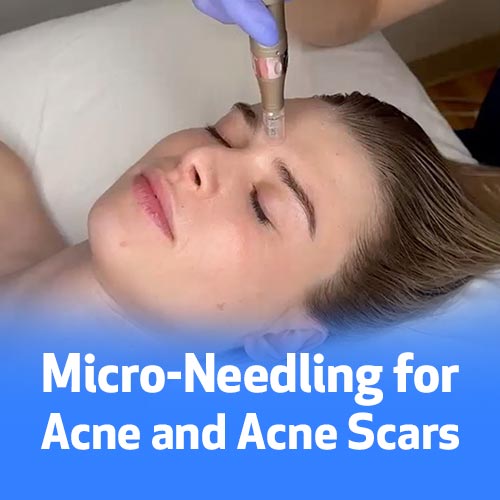
Discover how to safely and effectively use Micro-Needling to treat acne and acne scars in this detailed and engaging course designed specifically for acupuncturists. This class provides a deep dive into the science and application of micro-needling, focusing on its benefits for improving skin texture, reducing acne scars, and supporting overall skin health.
You’ll learn about the anatomy and physiology of the skin, how Micro-Needling stimulates collagen production, and the role of Traditional Chinese Medicine in enhancing outcomes. Through step-by-step instruction, this course covers essential safety protocols, contraindications, needle depth guidelines, tailored for treating acne and scarring.
Whether you’re new to Micro-Needling or looking to refine your skills, this class provides the tools and knowledge you need to integrate this highly effective treatment into your practice. Equip yourself to meet patient demand and deliver transformative results while maintaining the highest standards of care. Earn CEUs and expand your expertise with this dynamic and practical course.
Learning Objectives
- Understand the anatomy and physiology of the skin and the mechanisms by which Micro-Needling stimulates collagen production and improves skin texture.
- Integrate Micro-Needling with Traditional Chinese Medicine principles to enhance patient outcomes holistically.
- Be able to identify contraindications, implement safety protocols, and troubleshoot common challenges in Micro-Needling treatments.
- Learn how to safely and effectively perform Micro-Needling treatments for acne and acne scars, including proper needle depth and protocols.
Your Teacher
Michelle Gellis
Michelle Gellis is a Licensed and Board Certified Acupuncture Physician. She has been a Faculty Member and Clinic Supervisor at the Maryland University of Integrative Health since 2004. Ms Gellis holds the distinction of being one of the very few acupuncturists in the US certified to teach Facial Acupuncture certification classes on an international level to other acupuncturists.
Categories
Tags
Overview
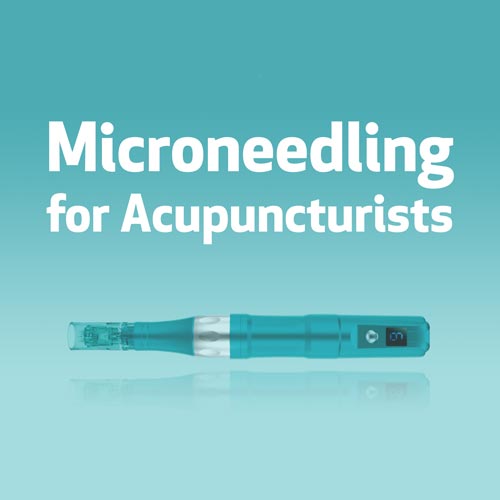
This course is designed to train Acupuncturists in the proper use of a microneedle pen. Students will be taught the theory and protocols for microneedling and introduced to the equipment, and products used to best support the procedure.
Learning Objectives
- Learn which products are most effective for treating the face
- Learn precautions and contraindications to microneedling
- Learn how to choose a device
- Learn how to use a microneedling device
Your Teacher
Michelle Gellis
Michelle Gellis is a Licensed and Board Certified Acupuncture Physician. She has been a Faculty Member and Clinic Supervisor at the Maryland University of Integrative Health since 2004. Ms Gellis holds the distinction of being one of the very few acupuncturists in the US certified to teach Facial Acupuncture certification classes on an international level to other acupuncturists.
Categories
Tags
Overview
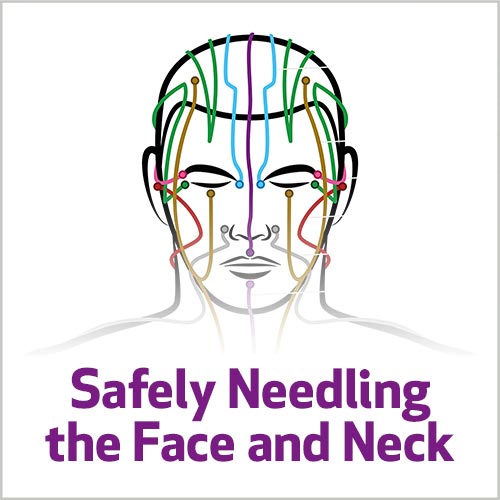
The purpose of this course is to familiarize practitioners with protocols for needling the face and neck safely in order to reduce trauma to the skin and underlying structures. Anatomy, point location contraindications and precautions are reviewed. This course will
* familiarize practitioners with protocols for needling the face and neck safely
* review Facial Anatomy
* introduce tools used for safely needling the face
* review contraindications and precautions
Learning Objectives
- Review facial anatomy
- Introduce tools used for safely needling the face
- Familiarize practitioners potential concerns when needling the face and neck
- Review contraindications and precautions
Your Teacher
Michelle Gellis
Michelle Gellis is a Licensed and Board Certified Acupuncture Physician. She has been a Faculty Member and Clinic Supervisor at the Maryland University of Integrative Health since 2004. Ms Gellis holds the distinction of being one of the very few acupuncturists in the US certified to teach Facial Acupuncture certification classes on an international level to other acupuncturists.
Categories
Tags
Treating Neuromuscular Facial Conditions
Using Facial and Scalp Acupuncture
with Michelle Gellis
See In StoreOverview
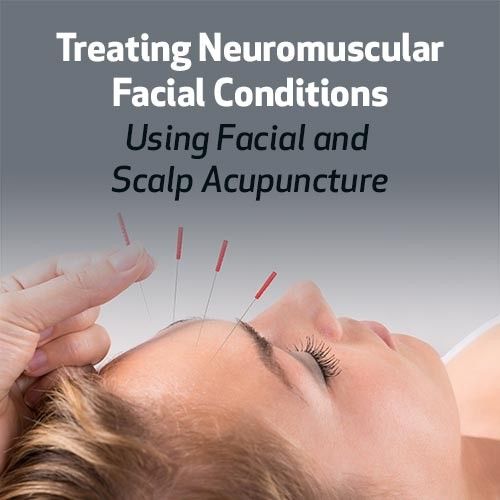
This course provides needling protocols such as intramuscular needling of the face, scalp acupuncture, facial cupping, auricular points, and motor points.
The knowledge gained in this acupuncture course will be used in the second part of the webinar which covers how to treat various diseases and disorders which affect the proper functioning of facial muscles and nerve such as Bell's Palsy, Ptosis, Shingles, TMJ, Stroke, Trigeminal Neuralgia, MS and others. It also provides assessment tools and needling protocols to treat various diseases and disorders which affect the proper functioning of facial muscles and nerves such as: Bell's Palsy, Ptosis, Shingles, TMJ, Stroke, Trigeminal Neuralgia, MS and others.
The second half focuses on diagnosis and treatment. The student will learn to Identify different TCM patterns, which affect the facial muscles and nerves.
Learn which modality is best suited to treat different conditions affecting the face. Learn how to effectively plan treatments for various conditions affecting the face.
Learning Objectives
- Learn how to assess and diagnose neuromuscular facial conditions.
- Be able to identify which modality is best suited to treat different conditions affecting the face, including screening for contraindications.
- Learn facial motor points
- Learn facial cupping
- Perform treatment planning for neuromuscular facial conditions.
- Learn Intramuscular needling of the face
- Learn scalp acupuncture
Your Teacher
Michelle Gellis
Michelle Gellis is a Licensed and Board Certified Acupuncture Physician. She has been a Faculty Member and Clinic Supervisor at the Maryland University of Integrative Health since 2004. Ms Gellis holds the distinction of being one of the very few acupuncturists in the US certified to teach Facial Acupuncture certification classes on an international level to other acupuncturists.